Numerous scientific papers have demonstrated the vital role of vitamin D in the functioning of human body, as its deficiency has been linked to osteoporosis, cardiovascular disease, diabetes, hypertension, multiple sclerosis, rheumatoid arthritis, tumor growth, autoimmune diseases etc. Deficiency of vitamin D has received epidemic proportions worldwide and is attributed inter alia to the decreased skin exposure to sunlight and the low-fat food content.
Mushrooms are the only non-animal nutritional source of vitamin D, while they are rich in many other bioactive ingredients such as β-glucan and antioxidants. The conteined ergosterol in fungal cell walls is converted, through the exposure of mushrooms to ultraviolet radiation, to ergocalciferol (vitamin D2), whose intake, through the consumption of mushrooms, can be compared to that obtained from dietary supplements and pharmaceutical formulations. Agricultural and agro-industrial by-products are used for the production of mushrooms, which are biotransformed through this cultivation process into edible biomass of high nutritional value. Of particular interest are the recent research findings of our project team of the present proposal which showed that the composition of the culture substrates significantly affects the content of the mushrooms in bioactive compounds.
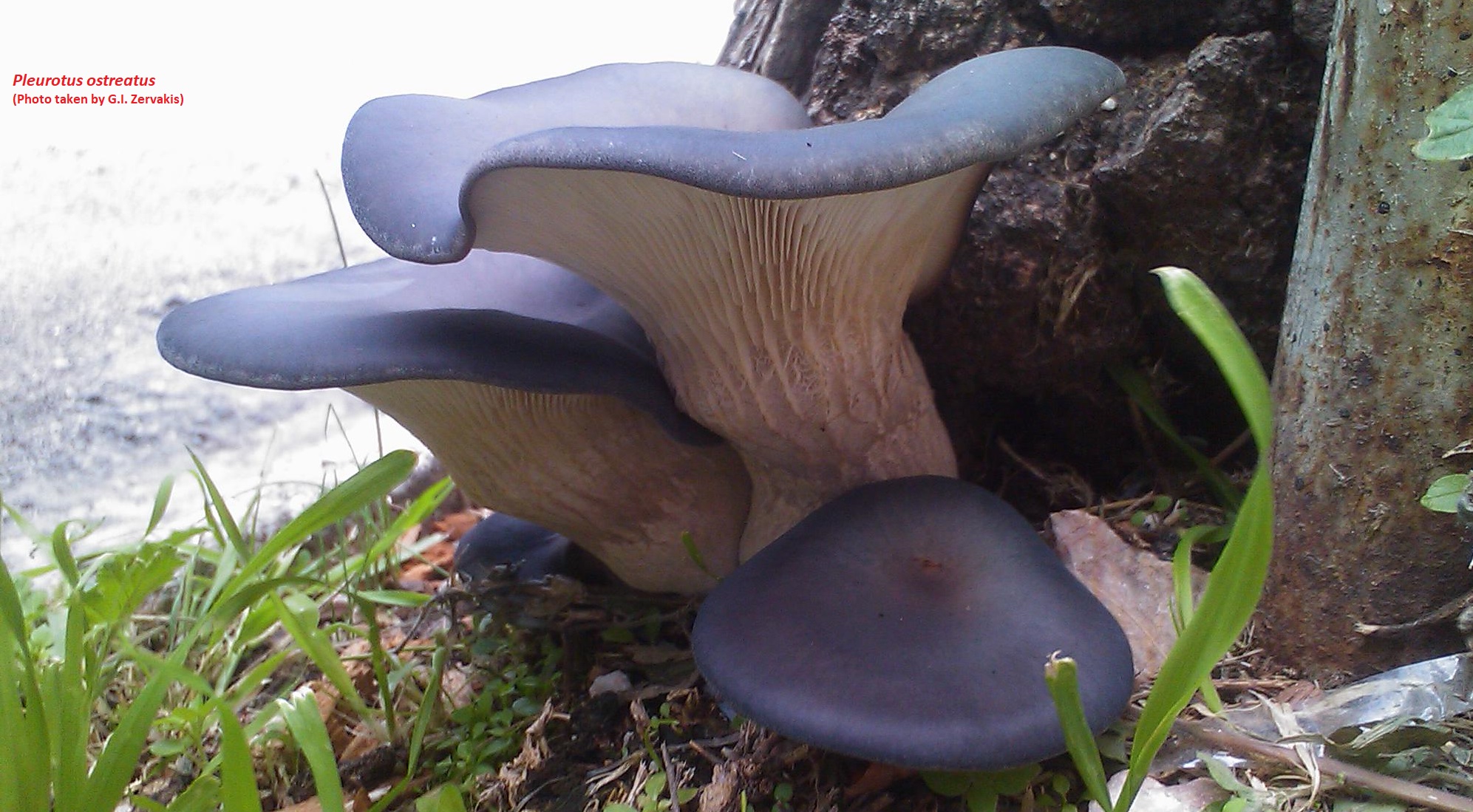
In the proposed project three research institutes (Agricultural University of Athens, Harokopio University, National Hellenic Research Foundation) and the largest mushroom production and marketing company in Greece (Mushroom Dirfy), collaborate to develop and produce a multi-functional food (“mushroom snack”). Its innovative features include the ability to provide much of the recommended daily vitamin D dose, as well as significant amounts of antioxidant ingredients, β-glucan and essential amino acids, through its ease-of-attractiveness for consumption in all age groups. In order to achieve the expected result, a large number of native species (coming from various Greek habitats with a collateral aim of exploiting the national biodiversity) of strains of Pleurotus ostreatus and P. eryngii are to be evaluated in terms of their cultivation on substrates consisting of olive leaves, two-phase olive mil waste and winery by-products. In addition, an increase in the vitamin D and antioxidant compounds content of the final product is also expected due to the high concentrations of squalene and phenolic components respectively measured in the specific materials. Selected substrates and Pleurotus strains will be used commercially to produce mushrooms of the desired characteristics and after harvesting will be exposed to ultraviolet radiation, dried and mixed with appropriate natural flavorings to produce the final product. Subsequently, a detailed assessment of the chemical composition and organoleptic properties will be provided, as well as a clinical study of 70 subjects with an increased body mass index, in order to elucidate its beneficial effect of vitamin D on the regulation of cardiometabolic markers (inflammation and oxidative stress markers) in blood serum. Furthermore, secondary metabolites will be identified, the potential variations in the metabolic profile of volunteers
after consumption of the new product will be mapped , and the metabolic pathways associated with clinical intervention will be recorded to provide a new fully-validated multi-functional food of high nutritional value.